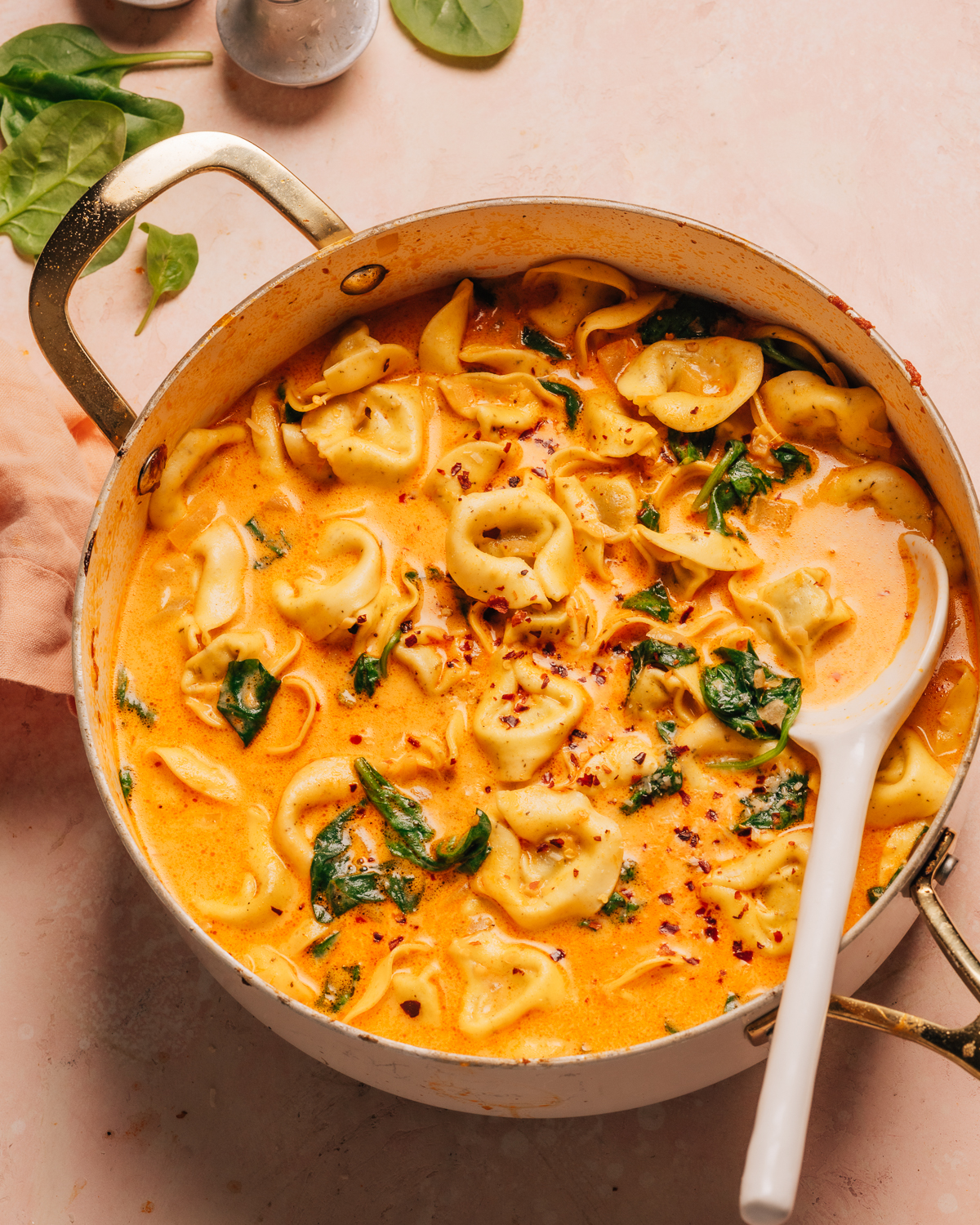
Food Scientist Secrets: Elevate Your Tortellini Soup Flavor to Culinary Heights
Tired of mundane weeknight meals? Imagine transforming a simple bowl of
tortellini soup into a gourmet experience that rivals your favorite Italian restaurant. As a food scientist, I'm here to reveal the culinary alchemy behind truly unforgettable flavors, turning an easy, comforting dish into a masterpiece of taste and texture. This isn't just about following a recipe; it's about understanding the "why" behind each ingredient and technique, allowing you to consistently craft a tortellini soup that sings with richness and depth.
Tortellini soup has long been a beloved staple, especially when the weather turns crisp or you simply crave a hug in a bowl. Its combination of tender pasta, savory broth, and often vibrant vegetables makes it the ultimate comfort food. But what if I told you there’s a simple, scientific tweak that can dramatically boost its deliciousness, making it a truly next-level meal? Prepare to unlock the secrets to a tortellini soup so flavorful, you’ll be sneaking spoonfuls directly from the pot.
The Core Culinary Chemistry: Sautéing for Superior Flavor
The foundation of any exceptional soup lies in its flavor base, and for
one-pot tortellini soup, a crucial step is often overlooked. It's not just about what you add, but *how* and *when* you add it. The biggest game-changer, from a food science perspective, involves treating your foundational flavor enhancers with respect – and heat.
The Maillard Magic of Tomato Paste
Many recipes instruct you to simply stir in tomato paste with liquids, but this misses a critical opportunity for flavor development. The secret? Sauté your tomato paste in hot oil *before* any liquids touch the pot.
Why this seemingly small step makes such a big difference comes down to complex chemical reactions. When tomato paste encounters hot oil, its natural sugars and amino acids undergo the Maillard reaction – the same browning process responsible for the delectable crust on roasted meats or toasted bread. This reaction creates hundreds of new, highly aromatic compounds that contribute profound savory, sweet, and umami notes. By caramelizing the tomato paste, you transform its bright, sometimes harsh acidity into a rich, deeply concentrated flavor that forms a powerful backbone for your tortellini soup. Furthermore, the oil acts as a carrier, helping to dissolve and distribute these newly formed, oil-soluble flavor compounds throughout your soup, ensuring every spoonful is imbued with maximum deliciousness.
Unlocking Bouillon's Full Potential
In tandem with tomato paste, the way you introduce your bouillon concentrate can dramatically impact the final taste profile. I’m a long-time advocate for bouillon concentrate (like Better Than Bouillon) over traditional boxed broth, and for good reason. Concentrates offer superior flavor intensity, reduce waste, and provide excellent portion control. But merely stirring it into boiling water doesn't tap into its full potential.
Just like tomato paste, sautéing bouillon concentrate in hot oil alongside your aromatics and tomato paste allows its inherent savory compounds to "bloom." The heat gently toasts these compounds, intensifying their umami notes and releasing aromatic volatiles that are often trapped within the paste. This process deepens the overall savory profile of your soup, creating a richness that boxed broths simply can’t achieve. The oil again plays a vital role, ensuring these fat-soluble flavor molecules are evenly dispersed, preventing any grainy texture and leading to a smoother, more homogenous flavor throughout the broth. This small technique tweak has an enormous flavor payoff, transforming your broth from merely liquid to a robust, savory elixir.
Beyond the Base: Elevating Every Element
While the sautéing technique is pivotal, a truly exceptional tortellini soup requires attention to every detail, from the aromatics to the final garnish.
Mastering Aromatics and Alliums
Onion, garlic, and sometimes fennel are the classic aromatic trifecta that begin most great soups. Their proper preparation is key.
- Onions: Sauté them until translucent and slightly caramelized, releasing their natural sugars and creating a sweet, savory base. Avoid browning them too quickly, as this can lead to bitterness.
- Garlic: Add garlic towards the end of the onion sauté. Garlic burns easily, and burnt garlic is bitter. Cooking it just until fragrant – about 30 seconds to a minute – ensures its pungent, aromatic qualities shine through without overpowering.
- Fennel: If using, fennel adds a subtle anise-like sweetness. Slice it thinly and sauté alongside the onions to soften and release its distinct flavor.
The Art of Acidity and Herbaceousness
Flavor balance is critical. While our sautéing technique builds deep, rich flavors, a touch of acidity can lift and brighten the entire dish, preventing it from tasting flat.
- Acidity: Beyond the tomato paste, a splash of red wine vinegar or a squeeze of fresh lemon juice added at the very end can provide that much-needed zesty counterpoint. This is a common chef's trick to "wake up" flavors.
- Herbs: For dried herbs like thyme or oregano, add them early with the aromatics and pastes. This allows their essential oils to release and infuse into the hot oil. For fresh herbs like basil or parsley, stir them in right before serving. Their delicate flavors and vibrant colors are best preserved with minimal cooking. A pinch of red pepper flakes can also provide a gentle warmth and subtle kick, enhancing the overall complexity.
Perfecting Your Tortellini and Texture
The star of the show, the tortellini, requires careful handling to ensure it's perfectly al dente and not mushy.
- Tortellini Choice: Whether you prefer cheese, meat, or spinach and ricotta tortellini, the quality matters. Fresh tortellini generally cooks faster and has a better texture than frozen or dried.
- Cooking Method: My advice is to cook the tortellini separately according to package instructions until just al dente, then add it to the soup only in the last few minutes of simmering. Alternatively, if cooking directly in the soup, add it towards the very end, simmering only for 2-3 minutes. This prevents the pasta from overcooking, becoming gummy, and absorbing too much broth, which can thicken your soup unnecessarily. The chewy, cheesy tortellini should retain its structural integrity, offering a delightful textural contrast to the creamy broth.
- Creaminess Factor: To achieve that luxurious, velvety texture often associated with comforting tortellini soup, consider a dairy finish. Stir in a splash of heavy cream, a dollop of cream cheese, or even a swirl of full-fat coconut milk (for a dairy-free option) just before serving. This emulsifies with the broth, adding body and richness without making the soup feel heavy.
The Final Flourish: Garnishes and Customization
A food scientist knows that sensory experience extends beyond taste to aroma, sight, and mouthfeel. Garnishes aren't just for show; they're integral to the complete flavor profile.
- Fresh Herbs: A sprinkle of fresh basil, parsley, or chives adds a burst of freshness, vibrant color, and aromatic lift that cuts through the richness of the soup.
- Parmesan/Pecorino Romano: A generous grating of hard, aged cheese provides a powerful umami punch and salty depth, enhancing the savory notes of the broth.
- Kale Pesto: As suggested in one of the reference recipes, a vibrant kale pesto can take your tortellini soup "over the top." The fresh, herbaceous, garlicky, and slightly nutty notes of pesto offer a fantastic counterpoint to the warm, savory soup. Consider swirling it into individual bowls for maximum impact.
- Customization: Don't be afraid to experiment! This soup is incredibly versatile. Add different vegetables like zucchini, bell peppers, or spinach. Experiment with protein additions like shredded chicken or Italian sausage. Use it as a base recipe and adapt it to your cravings – you'll never get tired of the possibilities.
By applying these food scientist-backed techniques and insights, you're not just making tortellini soup; you're crafting a culinary experience. From the initial sauté to the final garnish, every step contributes to a symphony of flavors and textures. This detailed approach ensures that every bowl of tortellini soup you serve is not just comforting, but truly extraordinary, delivering deep, satisfying deliciousness that will keep you coming back for more.